Why Microgreens?
A young green, harvested at its peak
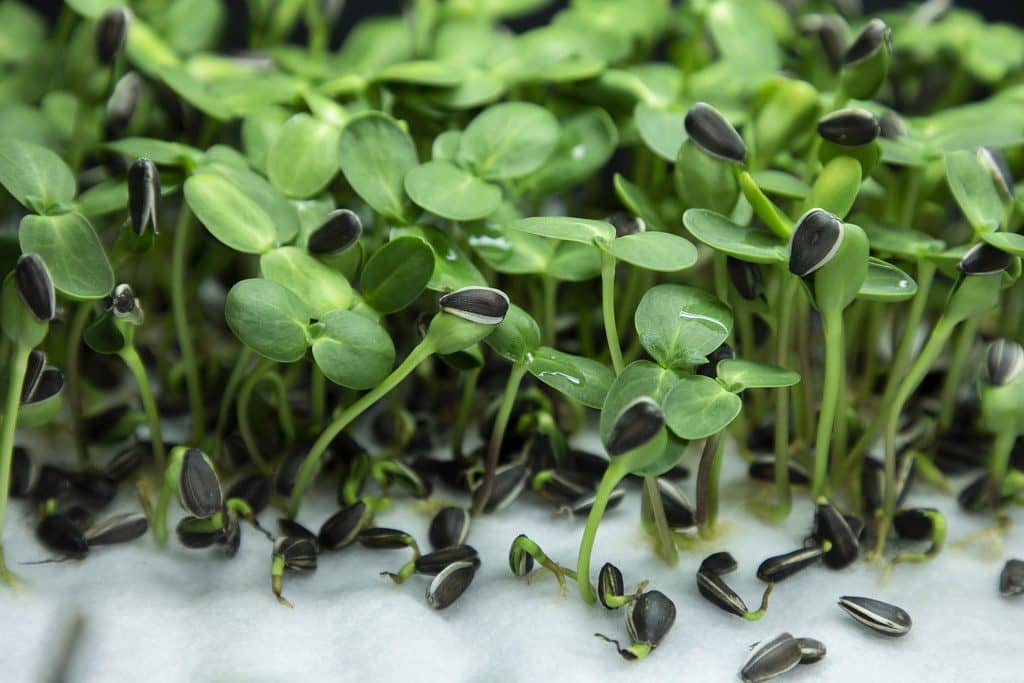
Microgreens are the young, tender first leaves of vegetable and herb plants — harvested just days after germination, well before they mature into the full vegetable or become the sprouts you may already know.
Shop microgreens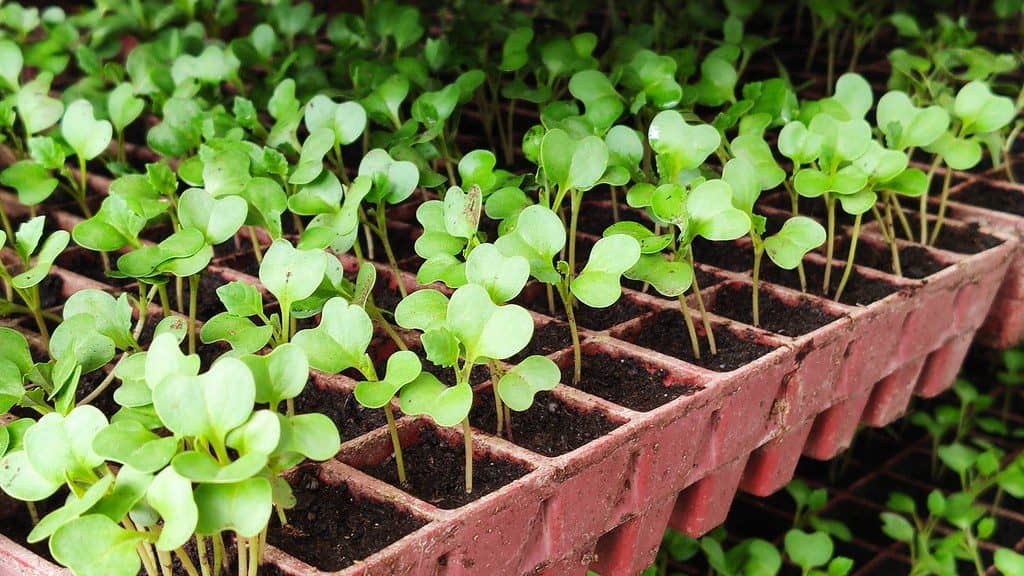
The short answer
Small leaves, big character
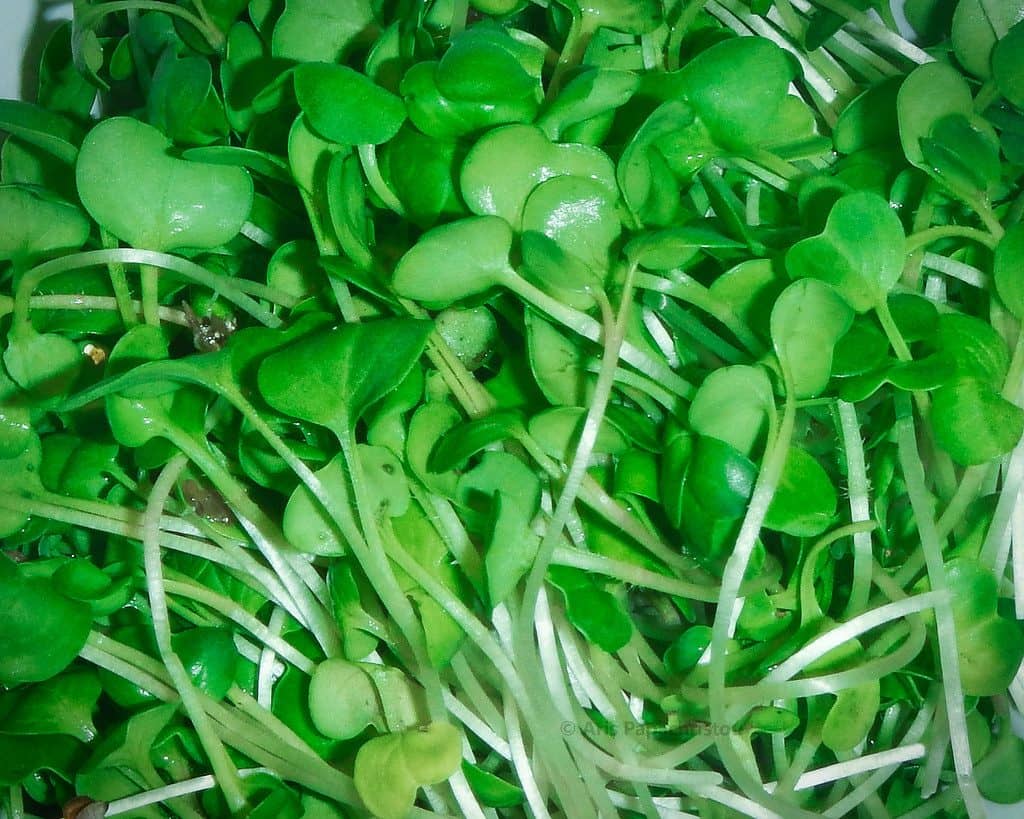
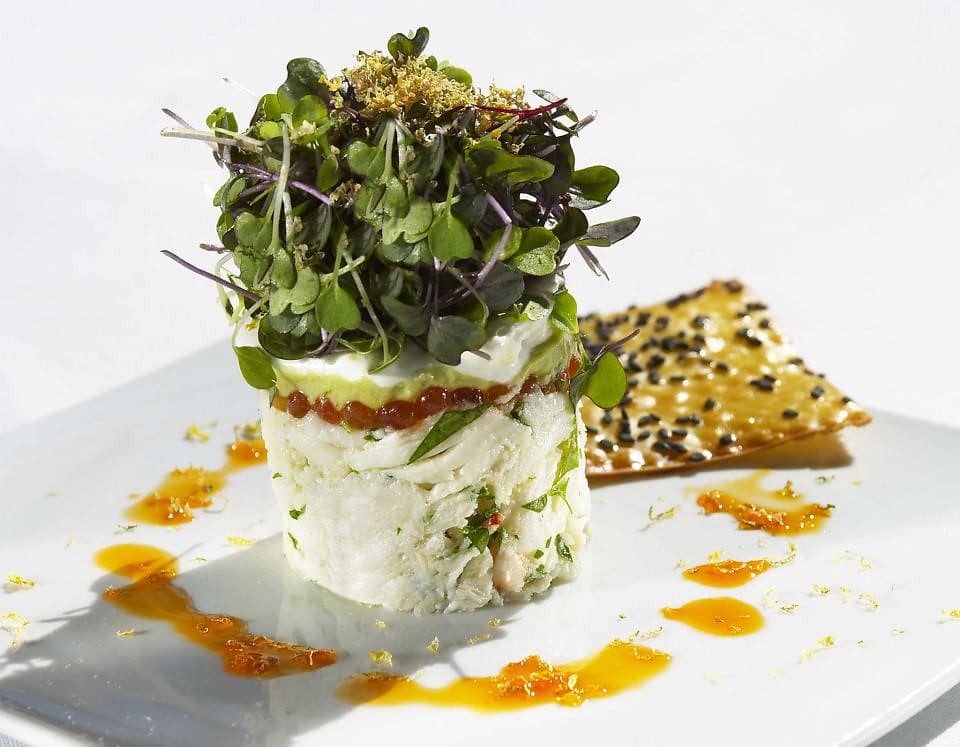
That early harvest window is what gives microgreens their concentrated flavour and delicate texture. They’re a finishing ingredient more than a base — a generous handful over a dish rather than the bulk of a meal, which is why a little goes a long way.
What the research found
USDA scientists found most of 25 microgreen varieties held more vitamins and carotenoids than the mature leaves of the same plants (Xiao et al., 2012). This study tested other microgreens, not ours, so it is not a claim about Greziva greens. See the figures below.
Fresh & flavourful
Vivid flavours — mild, peppery or tangy — that liven up familiar dishes.
Easy to add to meals
No prep needed. Rinse, and scatter over dal, dosa, salads or sandwiches.
General food information only — not medical advice. See our nutrition & food disclaimer.
Know the difference
Microgreens vs. sprouts
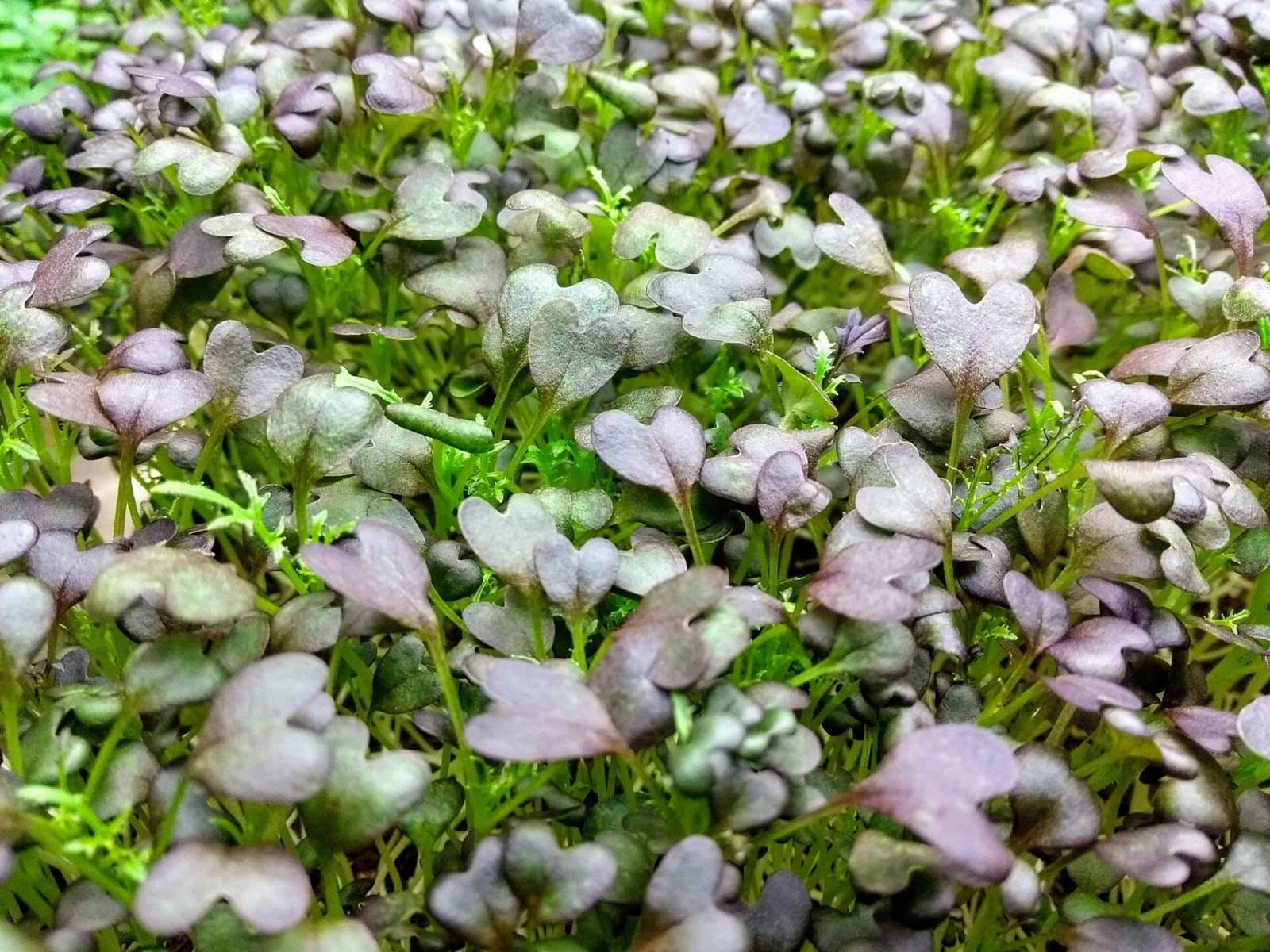
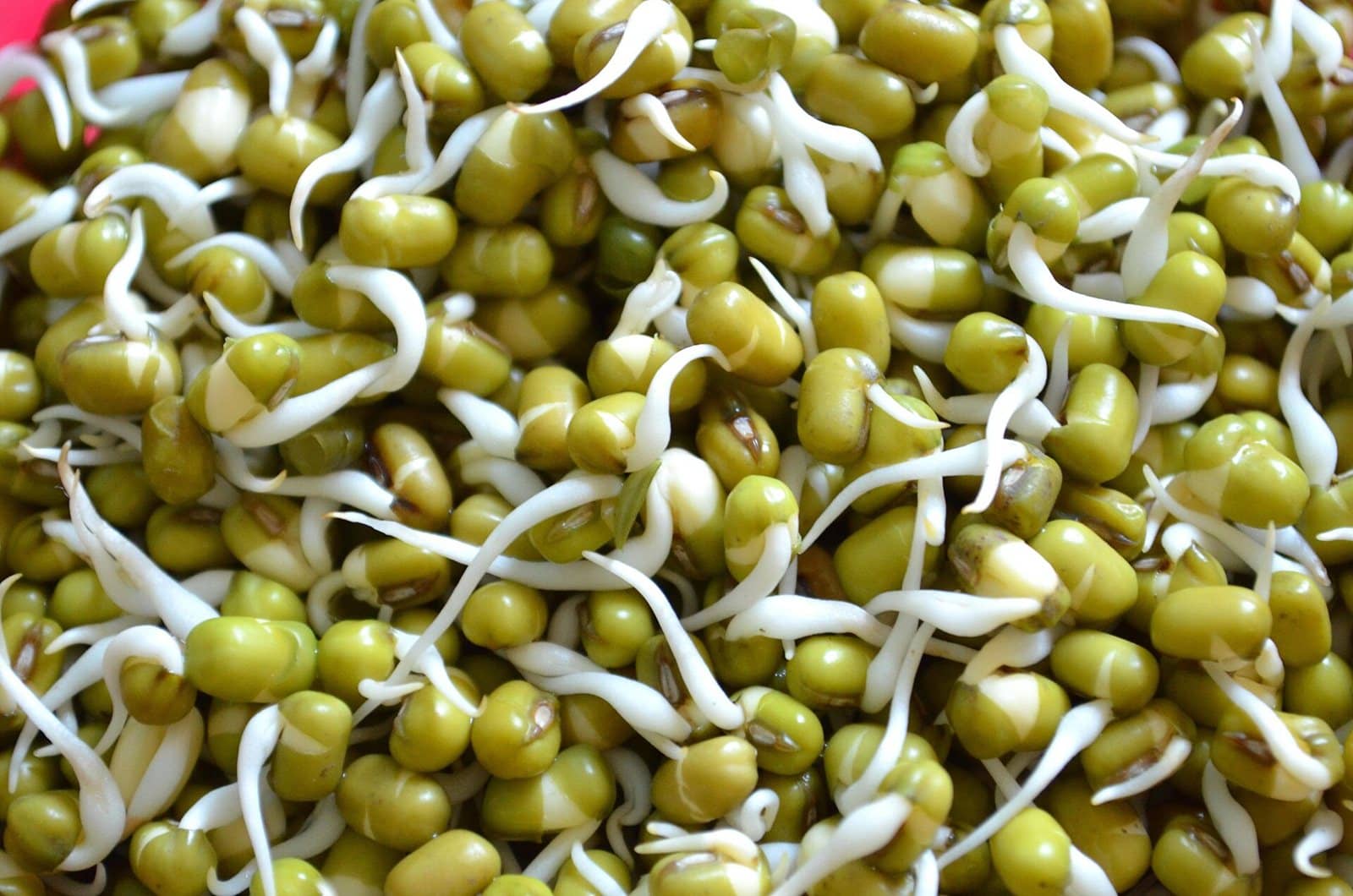
| Attribute | Microgreens | Sprouts |
|---|---|---|
| How they grow | Microgreens: In soil or a growing medium | Sprouts: In water, no medium |
| When harvested | Microgreens: 7–21 days after sowing | Sprouts: Within 2–7 days |
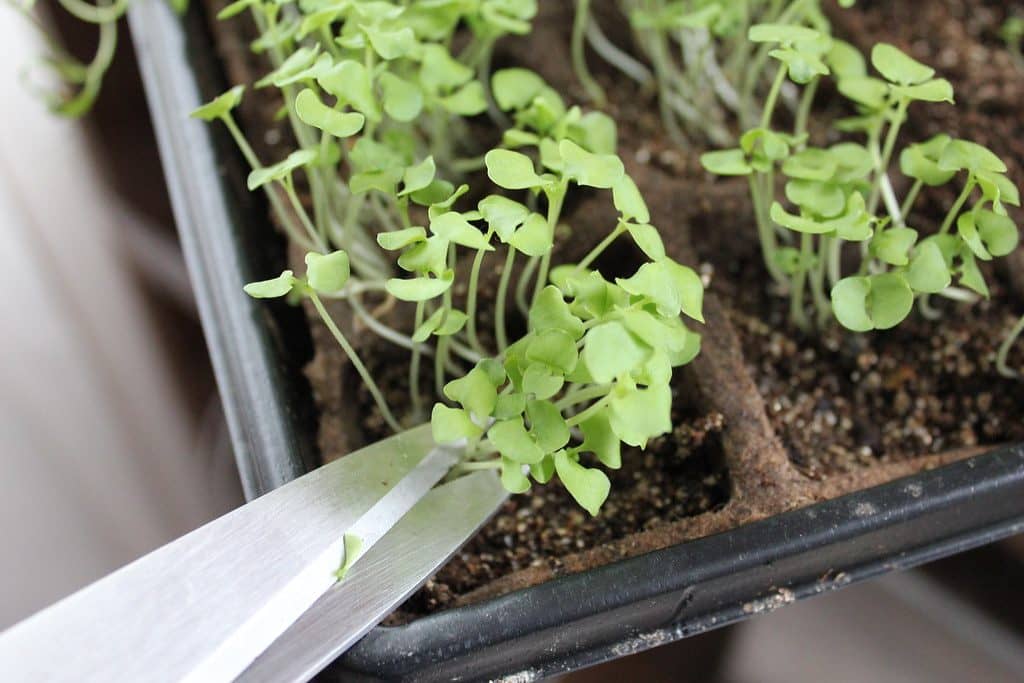
| What you eat | Microgreens: Stem and leaves, cut above the soil line | Sprouts: The whole seedling, root and all |
| In your kitchen | Microgreens: Cut above the soil, ready after a rinse | Sprouts: Higher moisture, shorter shelf life |
What’s inside
Small leaves, concentrated goodness
USDA researchers measured vitamins and carotenoids in 25 microgreen varieties. In most, the young seed leaves held higher concentrations than published values for the same plants’ mature leaves.
Across 25 microgreen varieties
20.4–147mg per 100 g
Highest: Red cabbage. Red cabbage microgreens had about six times the vitamin C reported for mature red cabbage.
Source: Xiao, Lester, Luo & Wang, J. Agric. Food Chem. 60(31):7644–7651 (2012) (doi:10.1021/jf300459b), USDA Agricultural Research Service; fresh weight. Research findings on microgreens grown in the USA, not measurements of Greziva’s greens: nutrient levels vary with variety, growing conditions and storage. The study did not measure sprouts.
Harvest timing
Every variety has its moment
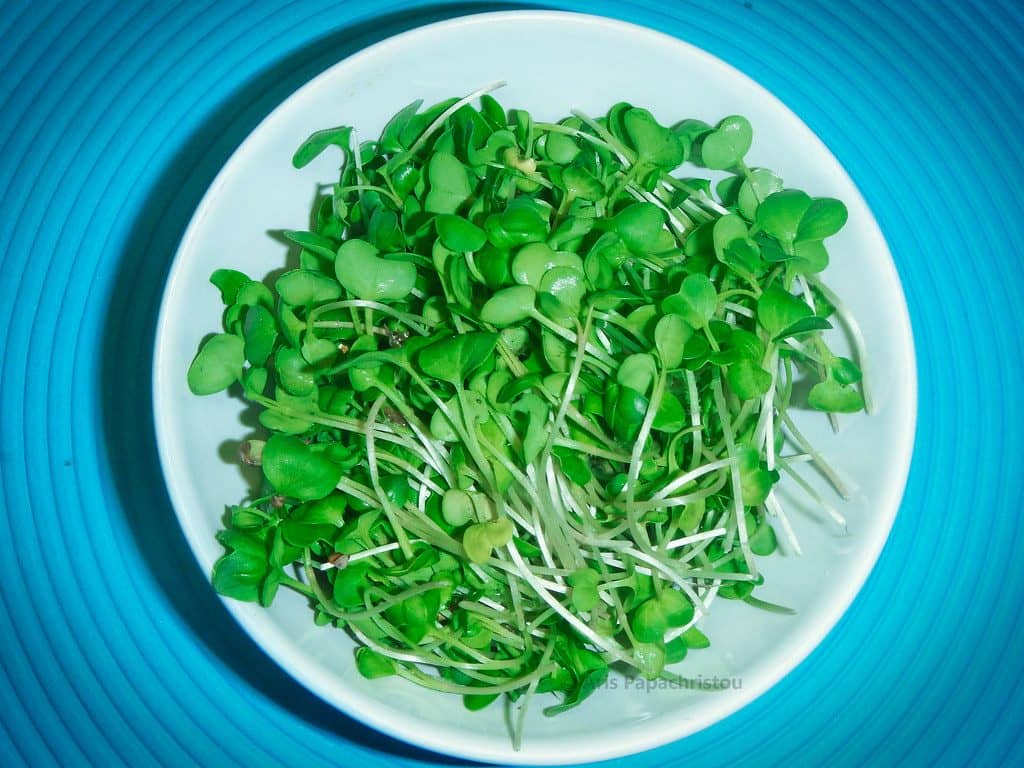
Each variety has its own ideal harvest window — typically 7 to 21 days after sowing. We harvest close to your delivery date so freshness carries through to your kitchen.
Day 0
Seed is sown
Days 2–7
Sprouts stage
Days 7–21
Microgreen harvest
Storage
Keep them crisp at home
Keep them cold
Refrigerate at 2–4°C as soon as your box arrives.
Keep them dry
Moisture is the enemy of crisp leaves — rinse just before you eat, not before you store.
Use them fresh
Check the best-before guidance on your product page; it counts from harvest.
In your kitchen
Simple ways to use them in Indian cooking
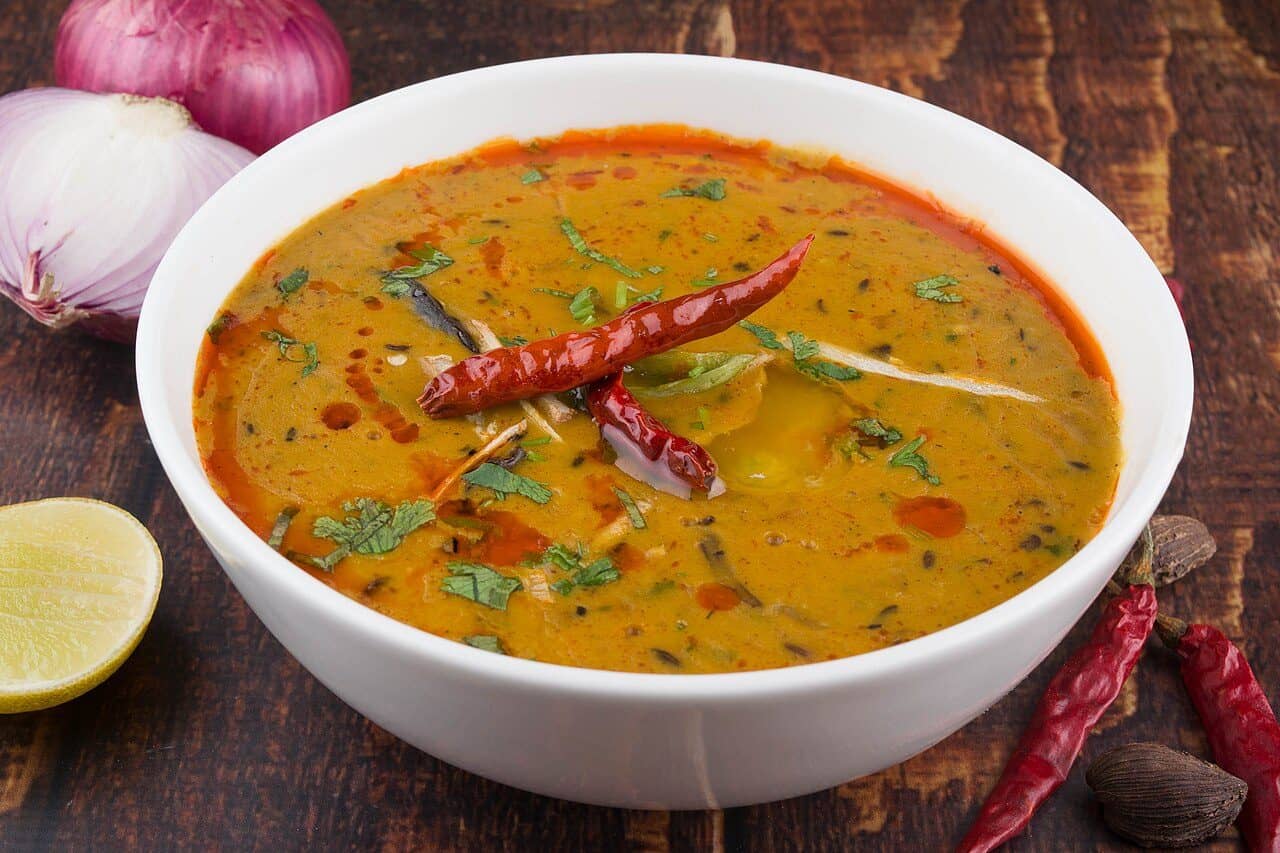
Stir into dal in the last minute of cooking
Get the recipe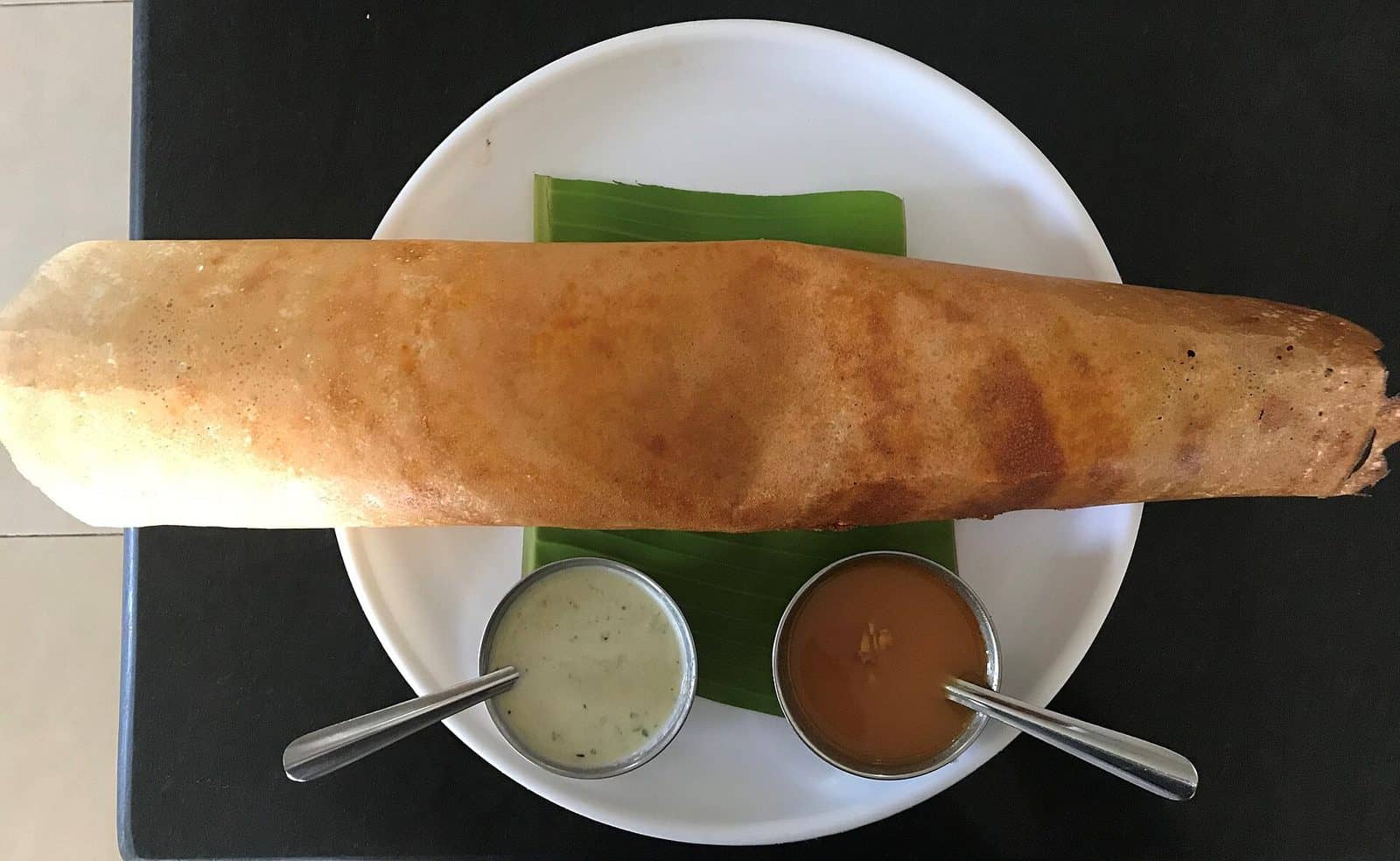
Scatter over dosa, idli or uttapam
Get the recipe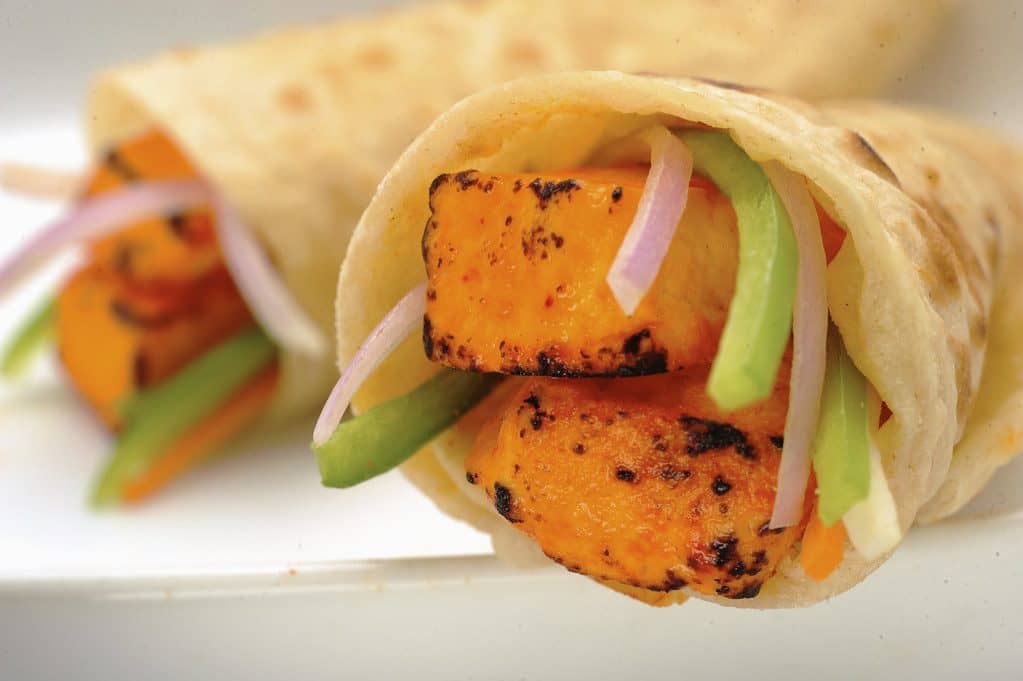
Fold into parathas or stuffed rotis
Get the recipeTop a bowl of curd rice or poha
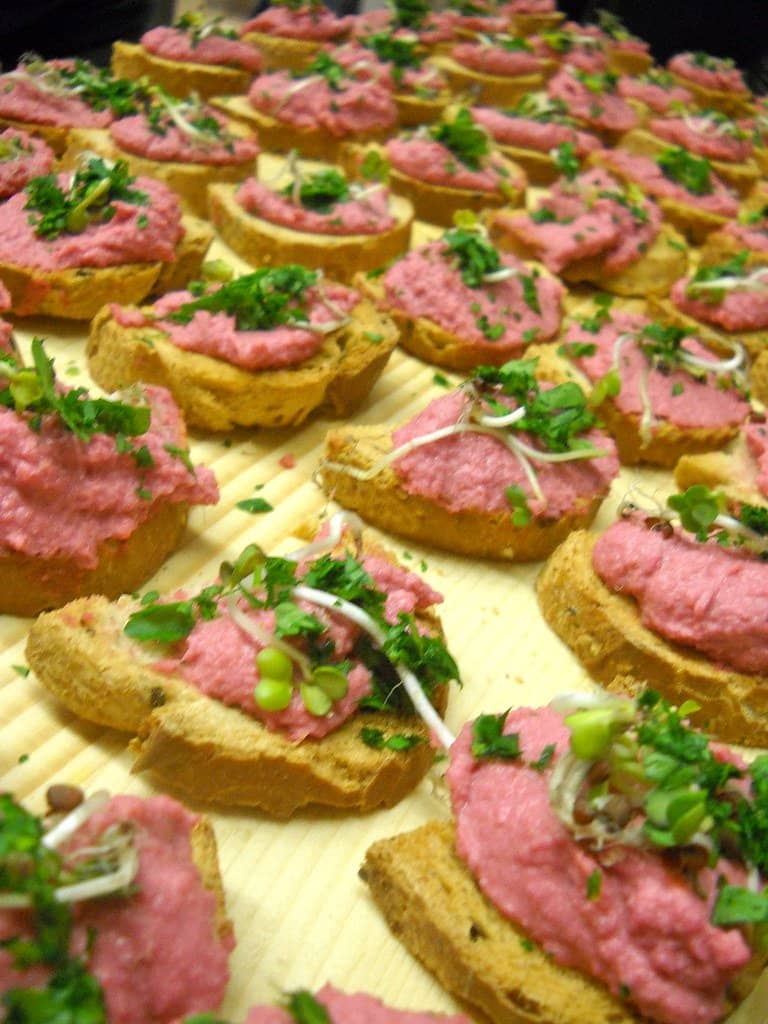
Pile onto toast, sandwiches or wraps
Finish a bowl of soup or khichdi